


I can’t believe it’s mid July already! How’s has July started for you?
Did you know it’s plastic-free July?
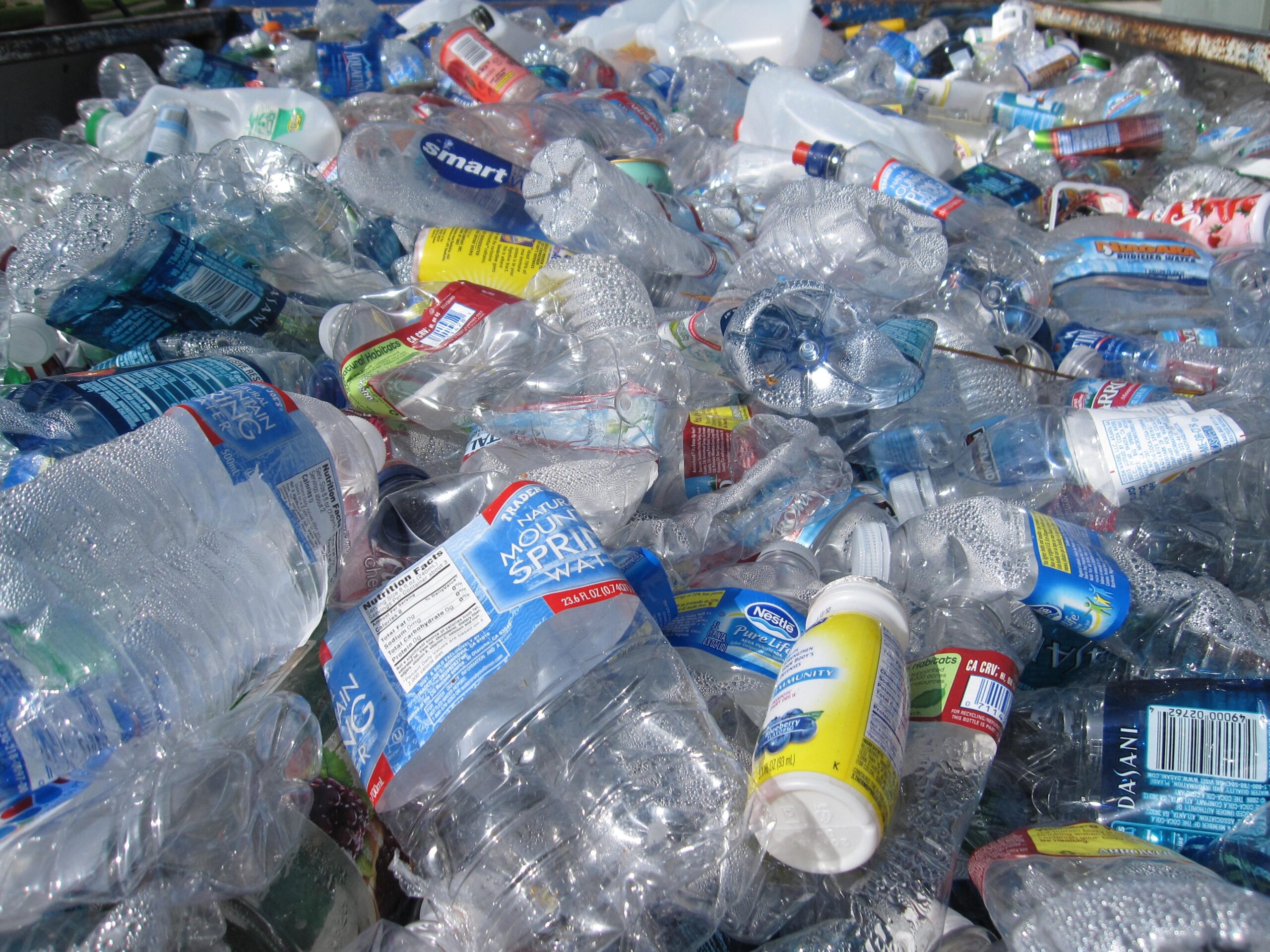
I’m sure you fully understand the damage plastics do to our environment and seas.
But did you know that plastics also affect your health too?
We really need to take it seriously and do as much as we can to reduce exposure to plastics.
See below for some info on the health effects of the compounds found in plastics and for some tips how to reduce.
Maybe you’ll find below some further ideas that you could introduce in addition to what you are already doing.
Plastics Cause Havoc to your Hormones and in Your Gut!
“Exposure to harmful chemicals during manufacturing, leaching in the stored food items while using plastic packages or chewing of plastic teethers and toys by children are linked with severe adverse health outcomes such as cancers, birth defects, impaired immunity, endocrine disruption, developmental and reproductive effects etc. Promotion of plastics substitutes and safe disposal of plastic waste requires urgent and definitive action to take care of this potential health hazard in future.”
This is a quote from a paper, published in the Indian journal of occupational and environmental medicine more than 10 years ago. I’m not convinced that “urgent and definitive action” has been taken by governments around the world yet. There’s still way too much plastic packaging coming through with our shopping.
Exposure to plastics and microplastics happens via various routes, such as the food you eat, house you live in, the air you breathe, the products you put on your skin and body, and anything you touch/suck/lick!
It’s everywhere!
Plastic products contain endocrine, or hormone system, disrupting chemicals such as phthalates and bisphenol-A, or BPA. They can be found in food packaging, water bottles, baby bottles, food containers, cling film, cosmetics, personal-care products (e.g. perfume, nail polish, hair spray, soap, shampoo, moisturisers, lipstick…), receipts, car park tickets, kids and adult toys, nappies, pesticides, lubricants, fragrance…
The list goes on!!
These can wreak havoc with:
- your hormone balance by interfering your natural sex hormones, such as testosterone and oestrogen.
- your gut by increasing inflammation. (A recent study found a link between faecal microplastics and inflammatory bowel disease.)
- your liver by burdening your liver so it has to work extra hard to get rid of these foreign compounds.
- your brain by potentially crossing the blood-brain barrier and impairing brain function.
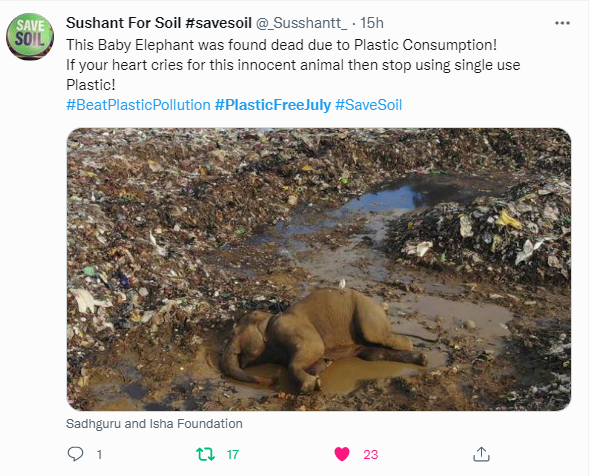
Plastic waste and microplastics have been shown to cause birth defects, reproductive failure and developmental issues in fish and sea life, other wildlife and animals used in research.
The sad image above (from a tweet via Sushant For Soil, original tweet by Parveen Kaswan, IFS) shows a baby elephant found dead after consuming plastic in India.
But it’s not just animals that suffer the consequences, plastics continuously end up in your gut, bloodstream and body too.
Check out my tips below for how to reduce your exposure to these harmful compounds and to help the environment at the same time.
My Top Tips for Reducing Plastic Use
1. Eat Organic Food Delivered in a Box
It will arrive with no pesticides and unnecessary packaging!
On top of delivering lovely organic veg grown without synthetic chemicals, my favourite online organic grocery shop, Abel&Cole, are committed to eliminating/reducing plastic waste. Your food arrives in returnable, reusable carboard boxes and when necessary, compostable bags.
They have also recently introduced a Plastic-Free Pick-Up Scheme, in which they are collecting any hard-to-recycle plastic packaging and wrapping that is not collected by councils or is not compostable.
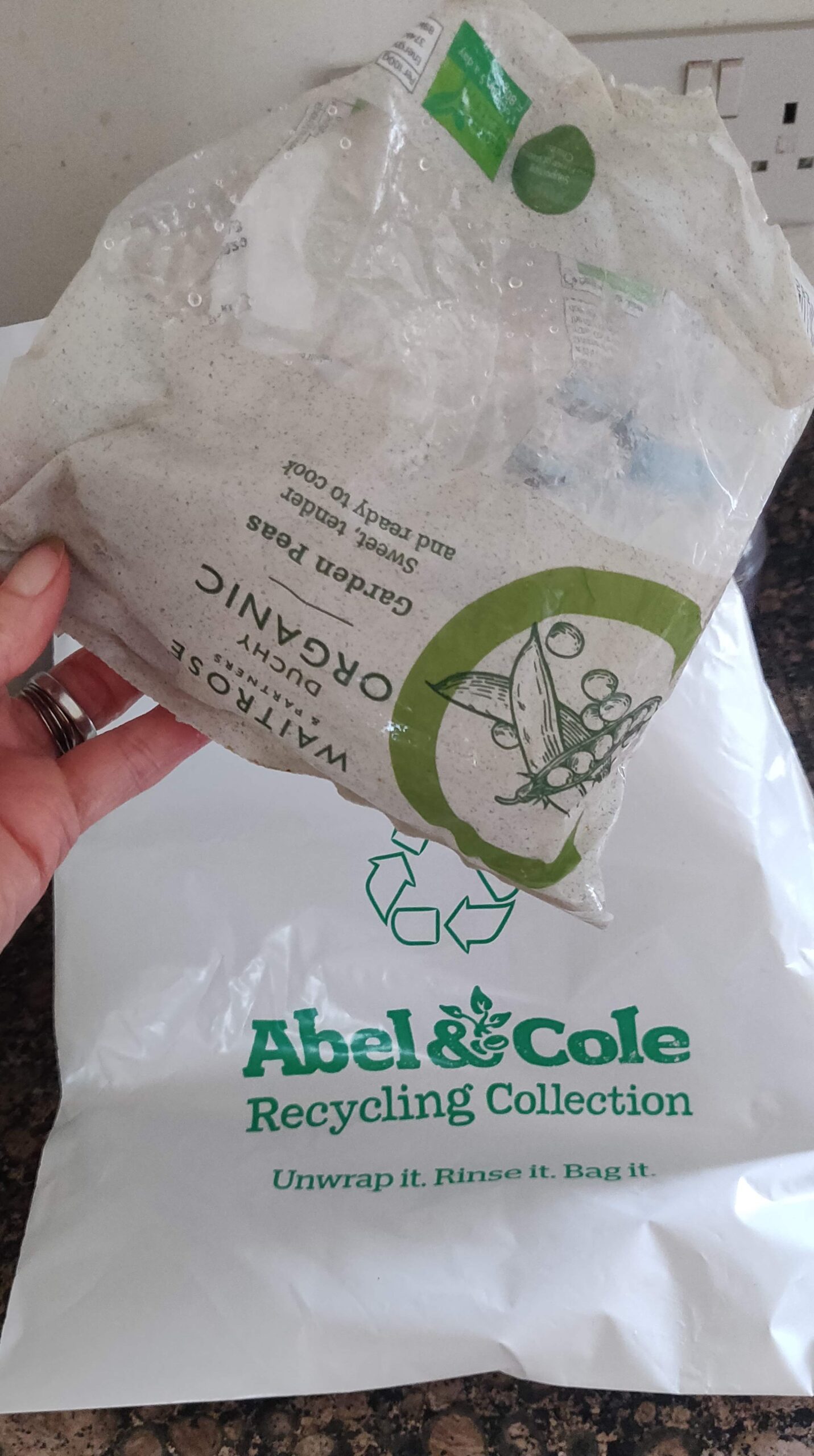
In the picture, an empty organic frozen pea bag from Waitrose is going into the A&C collection bag for their driver to pick up next time he comes round with my order. Abel & Cole will send the waste to their recycling partner who will transform it into sustainable building materials in the UK.
Fab, isn’t it!
For a 50% discount off your first order from Abel and Cole, check out my recommended products page and click the link to their website.
Also, check out from your supermarket, whether they are collecting soft plastics, as many are introducing this service for their customers.
2. Overhaul Your Food Containers
Ditch your old plastic “tupperware” containers and get yourself some glass food containers that can be used for storing, freezing and heating your food. They are not expensive and can be found in many shops and online.
Any glass jars the food you buy comes in can also be repurposed as food containers. I’ve got several shelves full of jars filled with nuts and seeds, different flours, dried berries and fruits… as well as a cupboard full of empties that will get used at some point.
And remember, never ever heat food in plastic containers or packaging! That’s when the structure of the plastic can get damaged and these harmful compounds can be leached into the food. The same is more likely to happen with acidic and oily foods, even when not heated, as well as containers that are old.
Silicone freezer storage bags are also a better alternative to plastic freezer bags.
3. Ditch the Plastic Water Bottle
Instead, use a reusable glass or stainless steel bottle to carry your water with you. If you buy bottled water, buy it in glass bottles.
4. Refuse to Have Your Takeaway Coffee in a Single-Use Cup
If you are frequent customer at takeaway coffee shops, carry your own safe plastic-free cup with you. Or drink your coffee mindfully in the coffee shop, from a proper china cup.
And never ever drink hot drinks through the plastic lid! Take the lid off first.
5. Bring Your Own Reusable Shopping Bags
Keep a foldable reusable bag in your hand bag and a stash of bags in your car for your shopping. Use sustainably made bags with natural fibres.
6. Buy Bamboo or Glass Straws for the Kids
These are a great reusable plastic-free alternative to plastic straws. And usually they come with a mini brush that helps you clean the inside of the straw.
7. Shop at Zero Waste Shops
Take your empty glass jars with you when you visit your local zero waste shop and fill them up.
8. Avoid wrapping your food in cling film
Instead put the food in a non-plastic container, use greaseproof paper or get some beeswax wraps.
9. Wash and reuse any plastic bags
If you have any plastic bags, make a point to wash and reuse them a few times to avoid burdening the landfill. Or get onto the A&C Plastic Pick-Up Scheme (see point 1. above).
10. And finally… Remember the 5 Rs
Refuse, Reduce, Reuse, Repurpose & Recycle!
****************
To find out how powerful diet, nutrition, lifestyle and mindset can be for our health, please book your FREE no-obligation discovery call with Minna and let’s have a chat.
You can also contact me via the contact form or [email protected].
Download your FREE copy of Happy Gut – Happy You for simple everyday hacks to feel happier and healthier.
Join my FREE Facebook Group Healthy You – For Life for health and nutrition tips and advice and delicious healthy recipes.