

With the Christmas and New Year festivities (and overindulgence?) over, many people are now returning to their normal daily lives, wanting to make a healthy fresh start to the new year. Some of you may be thinking of starting a diet, which I never recommend. Many diets can be extreme, make us feel deprived and typically are considered a quick temporary fix, with a start and end date. When the diet ends, most people go back to their normal (unhealthy) eating habits and any weight that may have been lost (plus some extra perhaps) will usually pile up again.
Raw food diets have become popular in recent years and, indeed, have been proven to be a good way to lose weight, so maybe you are thinking of becoming a raw foodist. Before you do, here’s some research-based information on the pros and cons of raw food diets.
Abundance of Plants and Lack of Processed Foods
Most raw food diets are based on plants, hence they are usually abundant in vegetables, berries, fruits, herbs, nuts and seeds, i.e. many nutrient-dense foods high in health-promoting vitamins, minerals, anti-oxidant phytonutrients as well as fibre. Furthermore, most processed and refined foods are cut out completely when following a raw food diet. These facts alone can make raw food diets highly nutritious and health-promoting. High consumption of vegetables and fruits, regardless of whether raw or cooked, has been shown to have many health benefits and to reduce the risk of all-cause mortality and some chronic diseases, such as heart disease and cancer[1].
Plant Enzymes and Water-Soluble Vitamins
The main argument for not cooking food above 47°C (which is what most raw food diet proponents advocate) is to preserve enzymes and nutrients that higher temperature cooking destroys or decreases. Vegetables contain enzymes that, once the vegetable is cut and the enzyme released from the plant cells, play a role in the production of certain phytochemicals with anti-oxidant, anti-inflammatory, anti-tumour or other beneficial activities in the body. Onions and garlic, for example, contain the enzyme alliinase that converts alliin to the beneficial sulphurous compound allicin, as soon as we start crushing or chopping them. Cruciferous vegetables (e.g. broccoli, kale, cauliflower, Brussels sprouts, radish) contain the enzyme myrosinase that catalyses the conversion of glucosinolates to isothiocyanate, an important phytonutrient in liver detoxification (elimination of toxins from the body). These vital enzymes are easily destroyed by heat[2], and eating vegetables raw ensures that the enzymes stay intact and produce those health-promoting compounds.
Water-soluble vitamins, vitamin C and the B vitamins, are highly sensitive to heat, and heating foods that contain these vitamins to high temperatures significantly decreases the amount of these vitamins. As much as 50% of vitamin C can be lost when boiling broccoli and spinach[3], so the best way to obtain vitamin C is to eat vegetables raw.
Raw Dairy, Meat and Fish
Raw milk and dairy products contain many nutrients, enzymes, healthy bacteria and many other beneficial compounds that are destroyed by heat used in pasteurisation. Furthermore, proteins and enzymes in milk are denatured, or damaged, by pasteurisation, which may make milk more difficult for us to digest. In raw dairy, the milk proteins and enzymes are still intact, potentially making milk easier to digest. Some small studies[4] have shown that people with intolerance to pasteurised milk are able to drink raw milk without having symptoms.
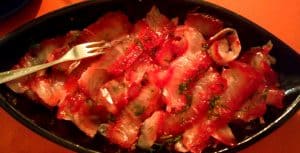
Although eating raw meat is less common and not always advisable*, raw fish is a common inclusion in many diets worldwide, e.g. sashimi in Japan, ceviche in Latin-America, carpaccio in Italy and gravadlax in Scandinavia. Polyunsaturated omega oils in oily fish can be easily damaged by heat, therefore raw fish or fish that is still moist and slightly uncooked inside, will have more of the beneficial oils intact. Browning and barbecuing meat may produce the best flavour but high-temperature cooking and cooking meat to ‘well-done’ denatures proteins and produces carcinogenic compounds and advanced glycation end products, or AGEs, which have been linked to increased inflammatory chemicals, tissue damage and premature aging[5].
*Poultry and pork should never be eaten raw and beef mince only when freshly minced, due to the bacteria, viruses and worms they may contain (cooking kills these microbes).
The Importance of Chewing
Raw vegetables are generally harder to digest than cooked, and chewing thoroughly is therefore very important. Chewing not only grinds down food mechanically but also stimulates the release of salivary enzymes that break down foods chemically in the mouth. Chewing also stimulates other digestive secretions, such as gastric acid, bile and pancreatic enzymes further down the digestive tract, supporting optimal digestive function through the break-down of macronutrients to their smallest units, ready for absorption. Poor chewing of raw foods may lead to digestive disturbances, poor nutrient absorption and nutrient deficiencies[6]. Chewing is very important also for the development of our jaw bones muscles, and raw foods generally require more thorough chewing than cooked and processed foods. Studies suggest that diets containing harder textures may reduce the need for orthodontic treatment[7]. One explanation why our jaws today are smaller and teeth overcrowded may be the decreased need for chewing, when humans switched from raw food diets of hunter-gatherers to softer foods with the introduction of agriculture[8].
Cooking Increases Anti-Oxidant Activity
As seen above, the benefits of eating raw foods, particularly vegetables, seem overwhelming. However, there are also many good reasons to cook your vegetables. While many phytonutrients are degraded by heat, the bioavailability of some carotenoids, such as lycopene found in tomatoes, is significantly increased during cooking. A study with 198 strict raw food eaters found that 77% of subjects had lower lycopene status than the reference values for the average healthy population[9]. To get this cancer-preventive, heart-healthy phytonutrient[10], you are better eating cooked tomatoes and sauces or shop-bought tomato paste.
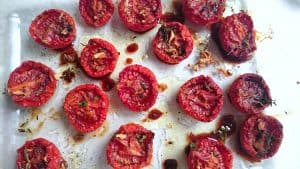
 Despite the loss of vitamin C, a potent antioxidant, during cooking, cooked vegetables, such as carrots, courgettes and broccoli, have been shown to have higher antioxidant activities than raw[11]. Furthermore, steaming sweet corn may increase the content of lutein and zeaxanthin[12], two carotenoids that are vital for eye health.
Animal-Derived Nutrients
As most raw food diets exclude meat, fish and other animal products, they can be low in nutrients that are mainly obtained from animals. Complete protein, vitamins A (as retinol), B12 and D, and the mineral iron are some nutrients that may be difficult to obtain from purely plant-based diets, and raw foodists are at a greater risk of being deficient in these nutrients, unless careful food-combining is practiced or these nutrients are obtained from other sources, such as supplements or sunlight[13]. Nutrient deficiencies may lead to serious health issues. In a small study with subjects consuming a raw food vegetarian diet, this diet was shown to be associated with low bone mineral content and density[14]. Another study observed that many raw food dieters were underweight, and many female participants suffered from the loss of menstruation. It concluded that a very strict raw food diet cannot be recommended on a long-term basis[15].
Anti-Nutrients and Toxins
Raw food diets are high in nuts and seeds, raw cacao, and some raw foodists also consume grains and beans. All these foods contain anti-nutrients, such as enzyme inhibitors and phytate, as well as lectins that can be toxic to us. These substances are compounds that the plants produce to protect themselves from being eaten by insects, and require inactivation by cooking to avoid possible undesirable effects.
Enzyme inhibitors can cause poor digestive function, due to the inhibitory activity of these compounds on the enzymes needed for the digestion of foods. In animals, enzyme inhibitors have also been shown to lead to growth reduction, abnormalities of the pancreas and failure to thrive[16].
Eating beans and other legumes raw or improperly cooked can lead to severe food poisoning, with symptoms such as nausea, vomiting and diarrhoea, due to the lectins they contain. Red kidney beans are particularly high in these compounds but no beans and legumes should be eaten raw. In addition to interfering with nutrient digestion and absorption, they may damage the cells lining our digestive tracts, change the composition of the bacterial flora residing in the gut, disrupt lipid, carbohydrate and protein metabolism, promote enlargement and/or wasting of key internal organs and tissues, and alter the hormonal and immunological status of the body[17]. Cooking reduces lectins to levels that most of us are able to tolerate.
Grains, legumes, nuts, coconut and cocoa powder contain high levels of phytate, which can bind to many minerals, reducing the bioavailability of these minerals. Phytate has also been shown to inhibit digestive enzymes. Therefore, following a diet high in phytate-rich foods, such as raw food diet, could lead to mineral deficiencies and decreased digestion of foods.[18] Phytates can be reduced or removed by soaking, sprouting and fermenting, and anyone following a raw food diet that includes large amounts of phytate-rich foods should soak (usually overnight) and preferably also sprout or ferment these foods before consuming. It’s worth noting that shop-bought nut flours and butters may not have been soaked so it’s always better to grind your own flours and make your own nut butters. The following table, adapted from Weston A. Price Foundation[19], shows 20 foods high in phytic acid.
| Food | Phytic acid in mg/100g dry weight |
| Brazil nuts | 1719 |
| Cocoa powder | 1684-1796 |
| Brown rice | 12509 |
| Oat flakes | 1174 |
| Almond | 1138 – 1400 |
| Walnut | 982 |
| Peanut roasted | 952 |
| Peanut ungerminated | 821 |
| Lentils | 779 |
| Peanut germinated | 610 |
| Hazel nuts | 648 – 1000 |
| Wild rice flour | 634 – 752.5 |
| Yam meal | 637 |
| Refried beans | 622 |
| Corn tortillas | 448 |
| Coconut | 357 |
| Corn | 367 |
| Entire coconut meat | 270 |
| White flour | 258 |
| White flour tortillas | 123 |
Goitrogens
Legumes (particularly soy), cruciferous vegetables (e.g. cabbage, broccoli, Brussels sprouts, cauliflower, bok choy), sweet potato, millet and green tea are some of the foods that are said to be goitrogenic, as they may interfere with thyroid function, potentially leading to the development of goitre (a swelling of the thyroid gland) or autoimmune hypothyroiditis in susceptible individuals[20]. The real problem arises when these foods are eaten raw and in large quantities, as is the case when following a raw food diet. Cooking can help reduce the goitrogenic activity of these foods.
Mixed Diets for Variety
Although the benefits of eating raw foods, particularly veggies, are many, there are also many good reasons to cook them as some nutrients are more bioavailable after cooking, which also reduces or removes anti-nutrients and toxins, or kills microbes that can be harmful for us. Furthermore, often during the cold winter weather, our bodies need warm comforting meals that can be digested easily, and cooking makes many vegetables easier to digest.
I myself am a firm believer that a mixed diet with a lot of variety is the best for us as it provides the widest range of nutrients. I always try to add some raw uncooked foods to most cooked meals to increase the variety and the nutrient-density. Raw salad leaves, slaws, sprouted seeds, fermented vegetables, nuts and seeds are a very easy way to add raw foods to, and increase the nutritional value of your meals.
Are you a raw foodist? If yes do you eat raw food exclusively? Do you eat raw fish or meat, or purely a plant-based diet? Has it helped with any health conditions? Please comment below, I’d love to know.