


Dietary fat coming from natural, unrefined sources is not the enemy that we’ve been led to believe for decades1. There is recent evidence showing that eating a lower-carbohydrate and higher-fat diet may positively impact inflammation as well as support the management of many chronic conditions2-5. Having fat in the diet is critical for the absorption of fat-soluble nutrients, such as vitamins A, D, E and K. Therefore eating vegetables with fat is a good way to increase the availability of these nutrients in the body. So don’t skip the oily dressing when having salads! Fats also help slow down the absorption of glucose from carbohydrates, balancing blood sugar levels and helping support sustained energy levels throughout the day. Unbalanced blood sugar levels in turn are thought to be at the root of many chronic lifestyle diseases.
Fat is an integral part of every cell membrane in our bodies, helping transport nutrients and chemical messengers in and out of the cells. Fat surrounds the “tails” of nerve cells (called the myelin sheath), protecting them and enabling the transmission of nerve impulses. Our brains are around 60% fat. Fats are essential for maintaining healthy skin and hair. The list goes on…
Here is a quick summary on the different types of dietary fats.

Saturated fatty acids: Saturated fatty acids are mainly found in animal products, e.g. butter, lard, ghee, fatty cuts of meat, dairy products, but also in some plants, such as coconut. These are fats that are solid at room temperature. They are excellent cooking fats as they have a higher smoking point than unsaturated fats, and hence less likely to get damaged by oxidation.
Coconut oil contains particular forms of fatty acids, termed medium-chain triglycerides (MCT), which our bodies seem to use preferentially for energy production6. The main fatty acid found in coconut oil, lauric acid, has also been found to have the greatest anti-bacterial activity of all saturated fats7. Furthermore, it has been suggested that MTCs may promote a more anti-inflammatory state and may be beneficial when used in disease states resulting from chronic inflammation8. Coconut oil may also lower the “bad” LDL cholesterol, while raising the “good” HDL cholesterol, as shown in a recent, albeit small, experiment9.
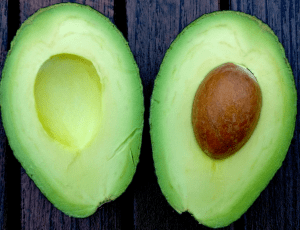
Monounsaturated fatty acids: Olives, avocados, nuts and seeds are high in heart-healthy monounsaturated fats. Oils made from these foods are liquid at room temperature and have a lower smoking point than saturated fats, therefore they are more likely to get damaged in high heat.
Edited 26th August 2018: I’ve lately been made aware of a recent study15 that found that extra virgin olive oil (which consists mostly of monounsaturated fatty acids) was one of the most stable oils (after coconut oil) in terms of oxidation and produced the lowest levels of harmful compounds after heating (followed by coconut oil). Harmful compounds that can be produced when oils are heated are trans fatty acids, free radicals and other oxidative by-products, such as acrylamides, to name a few. In the study above, the oils that generated most trans fats and other harmful compounds and were the least stable to oxidation were grapeseed, sunflower seed and rapeseed (canola) oils, i.e. oils that are mostly polyunsaturated (see below).
Polyunsaturated fatty acids

Omega-3 fatty acids: Omega-3 fats are types of polyunsaturated fats that occur in oily fish (mackerel, salmon, sardines, fresh tuna, sardines, herring, anchovy, trout), nuts (mainly walnuts,), seeds (mainly chia and flax/linseed). They also occur in smaller amounts in white fish & seafood (haddock, cod, scallops), some green leafy vegetables (broccoli, kale, spinach) and in grass-fed/pasture raised meat. Omega-3 fats, particularly those from fish, have been shown to have anti-inflammatory properties and may have beneficial effects on inflammation as well as glucose and insulin metabolism10-11.
Omega-6 fatty acids: These too are polyunsaturated fats but found in chicken, nuts and seeds and vegetable oils. Many people have a diet too high in omega-6 and low in omega-3, due to the modern Western diet high in processed foods and vegetable oils and low in oily fish. This can lead to an overproduction of inflammatory chemicals in the body. It is thought that a good ratio of omega-6 to omega-3 may be between 1:1 to 4:1 (omega-6:omega-3)12. Avoiding processed foods and processed vegetable oils and increasing the intake of oily fish may help improve this ratio (see below).
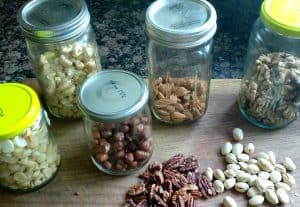
Essential fats: Some types of polyunsaturated fats, namely alpha-linolenic acid and linoleic acid (mainly from seeds and nuts), are classed as “essential” because they can only be acquired through diet (we cannot make them ourselves). Flaxseeds, chia seeds, hemp seeds and walnuts are high in the omega-3 fatty acid alpha-linolenic acid, while most other nuts and seeds contain more of the omega-6 fatty acid, linoleic acid.
Polyunsaturated fats are liquid at room temperature and stay liquid when refrigerated. Their smoking point is the lowest of all types of fats; hence, seed or nut oils should not be heated to avoid damaging the fragile fatty acids and creating trans fats. Use cold-pressed nut and seed oils for salad dressings and to drizzle over cooked vegetables. Avoid using them to cook at high temperatures. It is better to use saturated fats such as lard, ghee, macadamia or coconut oil for cooking.
Hydrogenated trans fats: Processed foods, such as processed vegetable oils and margarines, ready-made meals and cakes and biscuits can contain hydrogenated or trans fats, which we want to avoid. They have been shown to have negative health effects, increasing systemic inflammation, central fat accumulation and weight gain, as well as increasing the risk of diabetes and heart disease13-14.
By cooking from scratch with real-food ingredients using healthy fats mentioned above, and avoiding processed refined foods and ingredients, you can cut out harmful trans fats and optimise the health benefits of your diet.
Edited 26th August 2018: If you want to read my response to the recent headlines about coconut oil, check out my blog post ‘Is Coconut Oil Really Pure Poison? My Response to Recent Headlines‘.
********
To get personalised advice and recommendations on how you can support your health with nutrition and lifestyle medicine, please get in touch to book your free 20 minute discovery call to learn how nutritional therapy can help you.
Contact Minna on [email protected].