


(Main photo: Sofia Holmberg via Unsplash)
Seasonal Allergies and Histamine Intolerance
It’s that time of the year again!
Tree pollen counts are high and many of us are feeling the effects.
As exciting and beautiful as it is, this time of year brings its worries for many as the trees (and later grasses) are producing more and more pollen and many people develop symptoms.
Is pollen causing you trouble?
Do you suffer from hay fever?
Are symptoms such as sneezing, wheezing, runny/itchy eyes, stuffy nose etc. driving you mad?
Are you experiencing other symptoms such as headaches, skin break-outs, bloating, nausea, fatigue, brain fog.…?
Histamine – Your Frenemy!
Histamine is the inflammatory molecule that is to blame in both of the scenarios above.
Histamine is a key substance in the body that plays an important role in protecting your body from injury caused by infection, invading pathogen or physcial damage.
It’s vital for our survival – it’s your friend!
The body also uses histamine to respond to any triggers that are common with seasonal allergies.
The latter is sort of a confused overreaction by the immune system to irritants in the air, causing rapid release of histamine that leads to the typical seasonal allergy symptoms.
So your immune system reacts to something that is essentially not harmful for you.
But the symptoms can be severe enough to stop you doing things you want to do.
Some people may also get ongoing unexplained symptoms associated with histamine build-up or with over-activation of the immune cells that release histamine (mast cells) (we call this mast cell activation syndrome or MCAS).
For these people, histamine-related symptoms can be debilitating at any time of year.
And for them, histamine really doesn’t feel like a friend any more.
But don’t despair!
Anti-histamine foods and nutrients to add to your diet
There are many things you can try to alleviate the symptoms and even prevent you from getting them in the first place, by optimising your digestive, gut and immune health, by stabilising mast cells, by supporting the enzymes (DAO and HNMT) that metabolise and degrade histamine, and by not overloading your “histamine bucket”.
Here’s a list of foods and nutrients that are natural anti-histamines, anti-inflammatories and mast-cell stabilisers:
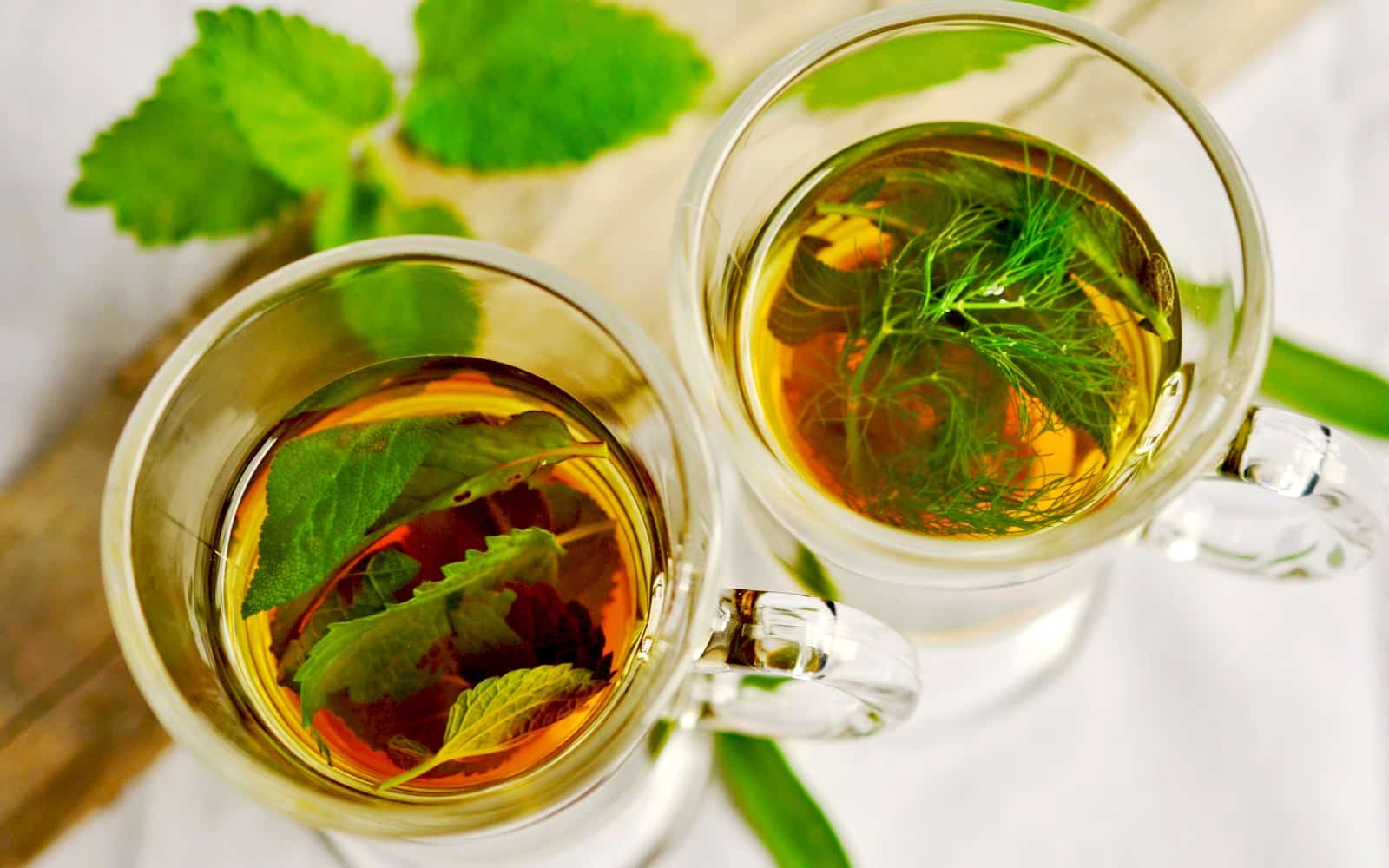
- FILTERED WATER AND HERBAL TEAS – to keep your body well hydrated which is key to avoid and reduce histamine reactions and pollen allergy symptoms.
- APPLES – high in quercetin, a compound that has natural anti-histamine and mast cell stabilising properties.
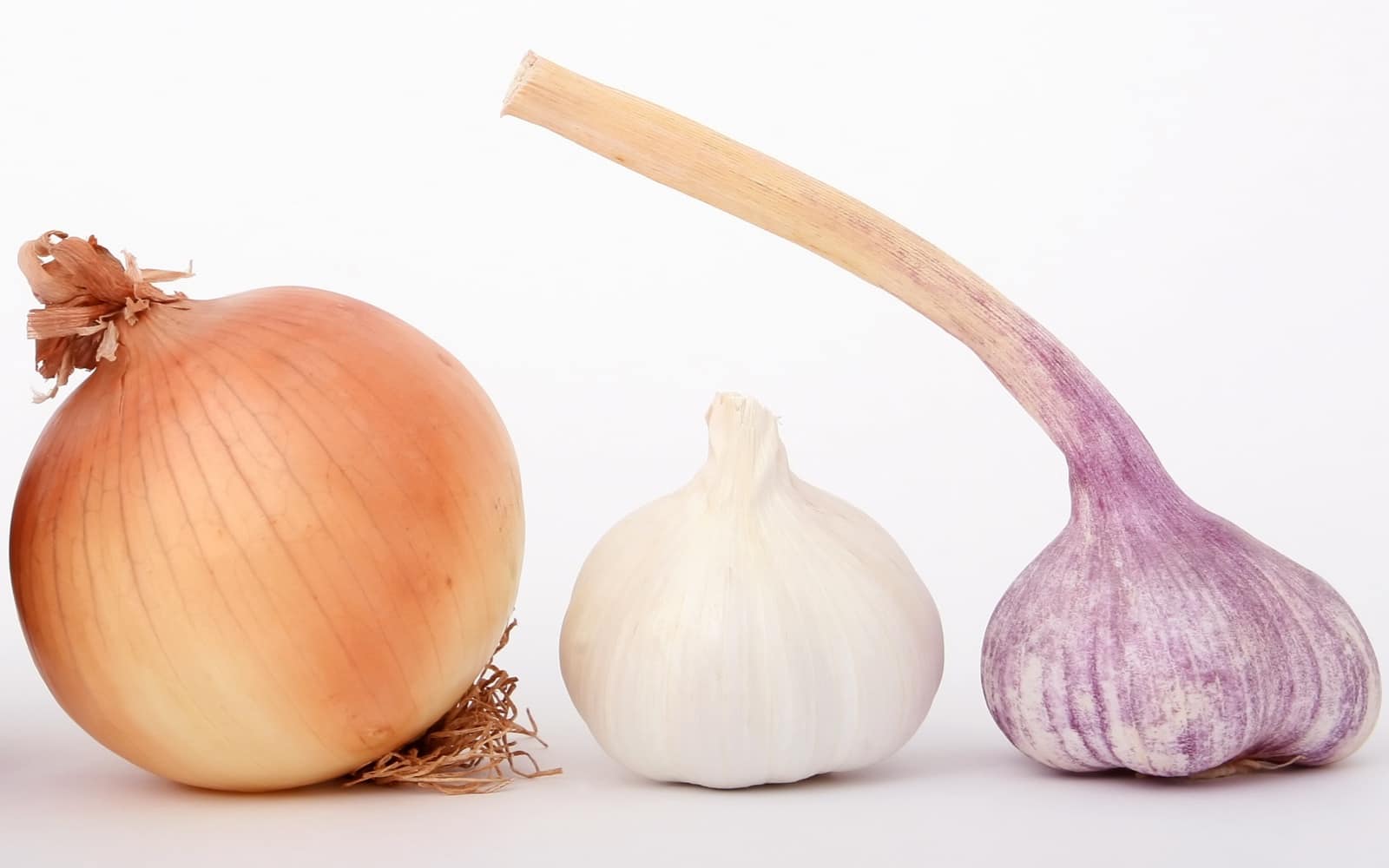
- ONIONS AND OTHER ALLIUMS – an important prebiotic food, i.e. support a good gut microbiome, and also a great source of quercetin (particularly red onions).
- WATERCRESS – compounds extracted from this pungent green plant may inhibit up to 60% of histamine release from mast cells.
- NETTLE – great used as tea when you have symptoms as can be a potent antihistamine, promoting healthy inflammatory responses. Made from fresh foraged leaves can be very efficient and is free – nettle grows everywhere and I pick it on my morning walks!
- TURMERIC, GINGER & GALANGAL – these lovely spices have powerful anti-inflammatory and antioxidant properties and may balance immune responses and block histamine release, hence inhibiting allergic reactions in the body.
- MORINGA POWDER – a green “super-food” that is available as powder can help regulate inflammatory responses, such as atopic dermatitis (eczema).
- CHAMOMILE – can inhibit histamine release from mast cells.
- PEACHES – have the potential to reduce mast cell–derived allergic inflammation.
- BRAZIL NUTS – contain good amounts of the anti-oxidant mineral selenium that may inhibit histamine release and reduce allergic symptoms.
- FIBRE – helps regulate mast cell function, while supporting optimal blood sugar response and feeding beneficial gut microbes.
- PREBIOTIC FOODS AND SUPPLEMENTS – help maintain good gut health by feeding beneficial microbes in the gut that support the activity of the histamine degrading enzyme DAO, hence reducing histamine-related symptoms.
- VITAMIN C – can stabilise mast cells to support healthy histamine release.
- VITAMIN D – a crucial nutrient for the immune system.
 So add more of these foods and nutrients in your diet now and you may notice an improvement in your symptoms from tree pollen now or grass pollen later in the summer.
Vitamin D for immunomodulation
Vitamin D is a hugely important vitamin for the body (it’s actually a hormone or hormone-like compound) and involved in hundreds of functions, and deficiency/insufficiency is incredibly common.
It’s a crucial nutrient for the immune system, needed to stabilise mast cells.
A deficiency of vitamin D may be one contributing factor in mast cell activation.
However, before adding a vitamin D supplement, make sure you know your current level as supplementing without knowing it is just a stab in the dark as you won’t know how much you need to take to optimise your vitamin D status.

Test, don’t guess!
My Vitamin D Check is an inexpensive way to get your vitamin D level measured and optimised in no time.
Test, don’t guess!
By testing you are empowering yourself with information on what actually is happening in your body and then you can take informed actions.
Book your vitamin D check here
****************
To find out how powerful diet, nutrition, lifestyle and mindset can be for our health, please book your FREE no-obligation discovery call with Minna and let’s have a chat.
You can also contact me via the contact form or [email protected].
Download your FREE copy of Happy Gut – Happy You for simple everyday hacks to feel happier and healthier.
Join my FREE Facebook Group Healthy You – For Life for health and nutrition tips and advice and delicious healthy recipes.