


I was lucky to have a 3-week break in my native Finland this summer and it couldn’t have been better. We had not one ‘bad-weather’ day so it was full of outdoor activities such as swimming in the lake, cycling (our bikes were our main way of getting around in my home town for the first 2+ weeks), walking and socialising over al-fresco meals. Nature does wonders to your health! It has wonderful healing properties when it comes to most areas of health.
One of the fundamentals of health is good blood sugar control. When your blood sugar fluctuates with regular spikes and crashes, that’s a recipe for disaster. It’s one of the root causes of many chronic health issues, including insulin resistance, pre-diabetes and diabetes, menopausal symptoms, mood issues, weight gain, low energy levels or fatigue, brain-related and cognitive issues, poor sleep, and many more…
But there are great ways of balancing your blood sugar without even having to change your diet. Below are my best tips for for exactly that.
You can also read more about blood sugar and insulin resistance here.
Top tips for lowering your risk of blood sugar-related health issues

1. Spend more time in nature.
Time spent in nature in daylight, particularly at sunrise and sunset, regulate your circadian rhythm and the hormones that govern it, e.g. cortisol and melatonin. These hormones are responsible not only for your wake-sleep cycle but also are involved in your blood sugar behaviour and insulin sensitivity.
2. Prioritise good-quality sleep between 10pm and 6am.
Sleep can either make or break your blood sugar management!
Poor sleep = poor blood sugar control, with spikes and crashes more likely, as well as more tendency to crave and grab sugary, high-carbohydrate foods that will keep you on that blood sugar roller coaster ride. You will find it more difficult to resist temptation when you’ve had poor or short sleep.
This also goes the other way!
Poor blood sugar control during the day = poor blood sugar control in your sleep = poor sleep. This leads to regularly waking up at night, often at the same time, commonly between 2-4am. This is because when your blood sugar dips too low, cortisol is secreted in order to pull glucose from the stores (evolutionary survival mechanism) and when this happens at night, it will wake you up because cortisol is also your awakening hormone (it is why you wake up in the morning after a good night sleep).
3. Cook from scratch (and grow your own food).
When you cook from scratch, perhaps with your home-grown food, you know exactly what goes into your meal. You won’t be adding ingredients like extra sugar, sweeteners or starches, or use synthetic additives and pesticides commonly found in processed foods that can be very deleterious to your blood sugar balance and overall health. When you grow your own you also get non-exercise, incidental physical activity as you tend to your veg patch or pick your produce.
“Eat anything you want, just cook it yourself.” (Quote from a talk by Michael Pollan)
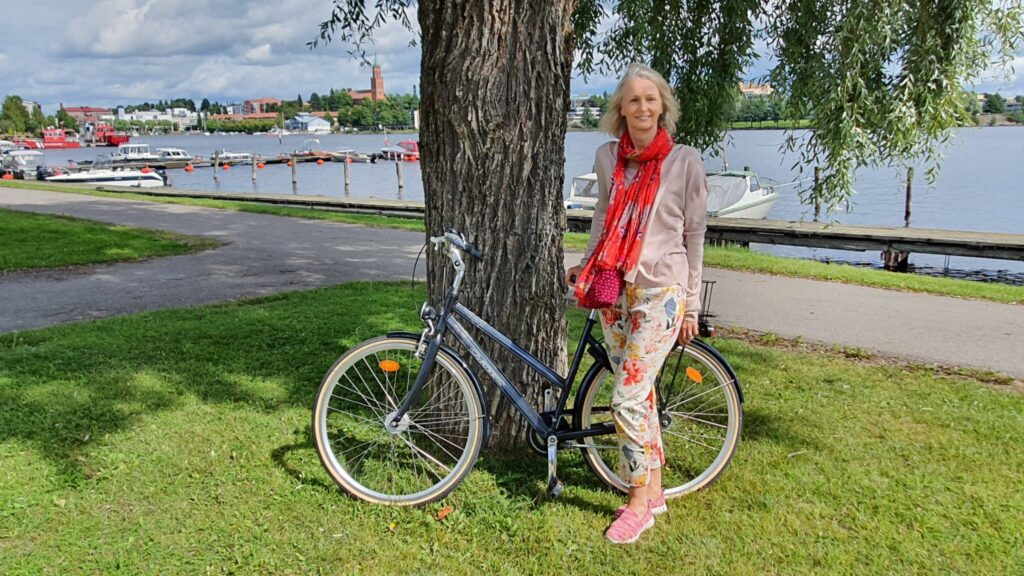
4. Go for a walk or bike ride after meals.
Moving your body and using your muscles after meals is an effective way to lower your post-meal spike. Your muscles, when active, are like sponges and soak up that glucose effectively from the bloodstream. Even just a 2-minute walk after meals can be beneficial.
Read more here about my 2-minute hack for better health.
5. Manage your stress better.
As mentioned under point 2 above, stress hormone cortisol is responsible for liberating glucose from the stores in the liver. If your cortisol is frequently elevated, it will also elevate your blood sugar or lead to spiking and crashing. Dedicate time for activities that calm your nervous system, stimulate your vagus nerve and give you a sense of calm inside. Nature always helps here!

6. Top up with the sunshine vitamin!
Low vitamin D levels have been linked to blood sugar imbalances, insulin resistance and increased risk of type 2 diabetes and its complications. Improving your level can really help with lowering your risk of these conditions.
Vitamin D deficiency has also been linked to numerous other conditions such as anxiety, depression and other mental health disorders, gut issues, bone and muscle health problems, autoimmunity, infections, to name a few.
Get your vitamin D from the sun as much as you can without burning your skin. Expose your body areas, that are normally kept covered, to the sun. Avoid using sun cream for the first 10-30 minutes, depending on your own skin’s tolerance. And use the dminder app to guide you on the timings of the daily vitamin D opportunity.
Book your Vitamin D Check now and let’s get your serum level optimised for winter.
7. Stop snacking and fast between meals.
Eat 3 balanced main meals a day and let your digestive system rest between these meals. Ride out your hunger and skip snacking between meals, in order to allow your body to find alternative fuel to glucose, i.e. fat from your fat stores. Your hunger will disappear in 15-30 minutes.
Fast overnight at least 12 hours. This will support optimal glucose management, as well as trigger an important housekeeping function in the digestive system called migrating motor complex, or MMC, crucial for optimal gut health. However, avoid too long fasts as they can trigger release of stress hormones, pulling glucose from the liver stores and raising blood sugar levels as a consequence.
8. Have sweet things only after main meals.
Having sugary sweet things on empty stomach as between-meal snacks leads to quicker glucose absorption and higher blood sugar spikes than having them as a dessert. You can still have your cake and eat it, just have these after a balanced main meal (incl. protein, fibre and healthy fats). You are also less likely to overindulge because you’ve satisfied your hunger with the food in your main meal before you eat the sweet treat.

9. Play like a child!
There are positive physical and mental health benefits associated with feeling younger than one’s age. These positive feelings help us cope with everyday challenges of life and manage daily stress better. Feeling anxious about ageing can actually age us faster, as do high glucose levels.
So go out and play like a child. Get on your kids’ trampoline (but you don’t need kids to have a trampoline; I don’t and I do have one in the garden!) or a swing at the park and have fun! Skip and hop, run and laugh, climb trees, be silly. Drop the ‘serious adult’ facade and let your hair down. Care less about what others think.
Spending time outdoors, once again, can also help you feel younger so go back to point 1.
Check out the Primal Play Method by Darryl Edwards.
10. Address any past trauma or triggers.
Don’t bury your past trauma as it can still be affecting you decades later. We know that adverse childhood events increase our risk of chronic disease, mental health issues, hypersensitivity to stress, inflammation and even early mortality, so address any trauma by talking through it with a supportive friend or a trusted professional can really bring relief. Things like tapping/EFT (emotional freedom technique) or EMDR (eye movement desensitisation and reprocessing) can be useful modalities in processing trauma.
Emotional triggers can spike your blood sugar too so explore your triggers in order to understand them better and to work on them in order to reduce triggering. Start crowding out triggers with ‘glimmers’ by noticing small positive things in your daily life, or keep a gratitude/happiness journal, in which you collect positive thoughts, events, comments, articles or anything that makes you feel happy.
****************
To find out how powerful diet, nutrition, lifestyle and mindset can be for our health, please book your FREE no-obligation discovery call with Minna and let’s have a chat.
For enquiries about working with me on 1:1 basis or about my corporate wellness programmes, please contact me via the contact form or by email: [email protected].
Download your FREE copy of Happy Gut – Happy You for simple everyday hacks to feel happier and healthier.
Join my FREE Facebook Group Healthy You – For Life for health and nutrition tips and advice and delicious healthy recipes.