


Year 2020 has seen us through some strange and difficult times that nobody ever expected to experience. As the pandemic spread across the globe in a speed we’ve never seen before, with it came illness, death, self-isolation, social distancing, lockdown, bereavement, as well as worry, fear, anxiety and stress as we watched depressing 24-hour news stories reporting on the rising figures and complicated restrictions on how we should live our lives. It’s really never been more important than now to focus on looking after our physical and mental health. We need to learn how to make our bodies more resilient so they can positively respond to adversity and bounce back and grow from it. The amazing human body evolved over millennia, dealing with myriad harmful viruses, bacteria, threats and stressors and creating its own internal defence and intelligence system. Fortunately, we can awaken this body’s own healing power by supporting the body with the right tools and raw materials. “No matter how much it gets abused, the body can restore balance. The first rule is to stop interfering with nature.” –Deepak Chopra This year also saw many research papers being published with great speed on the benefits of a healthy diet, good gut health and the importance of certain nutrients in protecting against covid, with scientist urging the government to promote a balanced diet in our fight against it. As a registered nutritionist, lifestyle medicine practitioner and mindset coach, my job is to help my clients become more resilient against illness, stress and trauma. Every client I see is different; an individual with different goals, medical history, genetics, biochemistry, nutritional requirements, lifestyle, mindset, preferences, likes and dislikes, and therefore my approach is always slightly different, depending on who’s sitting in front of me (or these days: behind the Zoom monitor). However, with each client, my first approach is always going back to basics and building a strong foundation for physical and mental resilience with good nutrition, lifestyle and mindset. The vast majority of the severe cases and deaths have been associated with comorbidities and poor metabolic health, i.e. other chronic illnesses that often are diet and lifestyle related (such as pre-/diabetes, hypertension, heart disease, obesity). These reduce the individual’s physiological resilience, at least partly because of dysregulated immune responses and poor gut health. So to support your resilience, your immune system, your gut health and your mental health, you need to remember these three key basic principles: The food we eat delivers information to the body. Natural real foods provide information that the body understands and knows what to do with. Processed foods made in factories have been altered, modified and interfered with, so much so that our bodies don’t recognise and can’t use them for normal body functions, at least not efficiently, so it gets confused, toxic and eventually falls ill. In clinic, I’ve seen people turn around their health with simple changes in diet, nutrition and lifestyle when doctors couldn’t help them. I’ve seen sugar cravings disappear, optimal gut function restored, hormones balanced and mood improved. A healthy diet, nutrition and lifestyle have an incredible power to help the body find balance and health again. Follow these rules to make your food your medicine: Get out of the ‘boring and beige’ rut and start eating a rainbow of colours, with a diverse range of good quality proteins and healthy fats! As well as carbohydrate, protein and fat, each food generally provides a range of vital micronutrients: These nutrients differ from food to food, and each nutrient has different roles in the body. Every time you eat a different plant food for instance, you feed a different probiotic strain in the gut that can then flourish and keep producing important molecules that benefit your overall physical and mental health, e.g.: Similarly, every time you eat a different type of protein food, you are providing the body with different amino acids, which the body reassembles to build muscle and tissues, and to create proteins used for functions such as cell communication, enzymatic reactions, immune system, nerve signalling and hormonal function, to name but a few. There is evidence for recommending the intake of 30-50 (yes, 50!) different types of plant foods every week to increase the diversity of the gut microbiome. It is this microbial diversity that our bodies thrive on. So I’d like to propose a task for you: As I mentioned earlier, we are all different. Nobody knows your body as you do. If you tune into your body and listen to the signals it sends you, you can learn a lot. Your body is incredibly intelligent, and paying attention to it is the best tool you have in your disposal in finding your own ideal healthy diet and lifestyle. Do you get bloated after meals? Reflux? Other digestive symptoms? Sleepy and low? These can be messages from your body that it hasn’t been able to break down and digest, absorb and utilise that food properly. You need to ask yourself why. Could it be because…. Hope you find these tips helpful and feel confident that you can support your physical and mental health with small simple changes. If you’d like further assistance with improving your health, please get in touch by booking your free discovery call HERE. I’d love to chat! Wishing you a happy, healthy and resilient 2021. Also check out my tips on what you can do to avoid the oh-so common Christmas bloat HERE and HERE. And here are some of my healthy recipes to include more diversity into your diet: Christmassy Bliss Balls If you haven’t seen my eBook yet, you can download it here. It’s full of meal prep ideas and several yummy recipes that can help improve your gut health and your resilience. **** To find out how powerful diet, nutrition, lifestyle and mindset can be for our health, please book your FREE no-obligation discovery call with Minna and let’s have a chat. You can also contact me via the contact form or [email protected]. Join my FREE Facebook Group Healthy You – For Life for health and nutrition tips and advice and delicious healthy recipes.Building Resilience Through
Nutrition and LifestylePart 1 – Nutrition and Gut Health Basics
(Read Part 2 on Lifestyle Basics HERE) An Opportunity to Turn Bad to Better
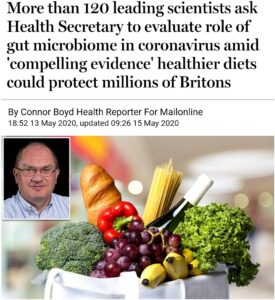 Click the image to open the article
From C’rona to Taking C’ntrol?
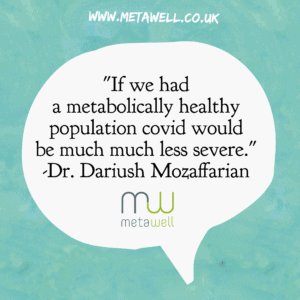 A quote by Dr. Dariush Mozaffarian, cardiologist & Jean Mayer Professor of Nutrition and Medicine,
Dean of the Friedman School of Nutrition Science and Policy at Tufts University, in The Doctor’s Farmacy podcast1. Food Is Medicine!
2. Diversity – The Basis of Healthy Gut, Body and Mind
3. Be Guided by Your Own Body
Read Part 2 on Lifestyle Basics HERE
Frozen raspberry coconut bites
Thai salmon patties
Chicken soup for the soul and body
Skip to content